We make sheepskin insoles every year, many many pairs.
To be honest, the insole itself is not easy to make.
And the biggest problem is always one thing: washing.
So today I want to talk like a normal person, not like marketing.
Just tell you, how to wash sheepskin insoles properly, and how not to ruin them.

Sheepskin insoles touch your feet directly.
Feet sweat, you know. Even in winter.
Natural wool is very good at absorbing moisture.
This is why warm wool insoles feel dry and comfortable inside shoes.
But it also means, after some time, smell will come.
Many people think:
“OK, dirty, just wash it like normal insole.”
This is where problem start.
Wrong cleaning can make sheepskin insoles:
become hard like board
lose shape
shed wool
smell even worse after drying
Correct washing is not about making it “very clean”.
It is about keeping wool and leather alive.
If you do it right, you wear longer. And it feels better every day.
Short answer, very clear: Yes, but gently.
Sheepskin is not normal fabric.
It is wool + leather together. Two natural materials.
Wool fiber is protein.
Leather is collagen structure.
Both hate heat. Both hate strong chemical.
Many customers ask us, “Why my insole shrink?”
Because hot water. Simple.
So yes, you can clean sheepskin insoles.
But treat them like something valuable. Not like socks.
This is another misunderstanding.
Some people wash too often.
From our factory experience, correct way is:
Daily use: just take out from shoes, let it breathe
Light smell: spot clean only
Heavy sweat or dirt: full hand wash
Every week washing: no, please don’t
Over-washing is more dangerous than dirt.
Water removes natural oil inside wool.
Too much water = wool dry, leather tired.
I always say:
“Air is better friend than water.”
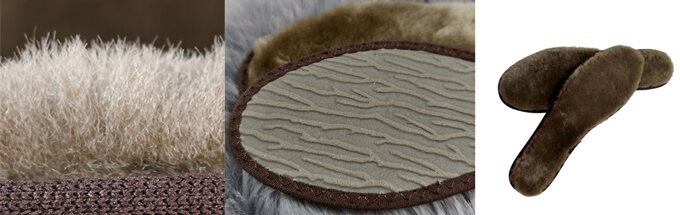
Before washing, prepare simple things. No need fancy.
Cold water or lukewarm water (not over 30°C)
Wool detergent or mild wool wash
One clean towel
A ventilated, shaded place
No bleach. No strong laundry powder.
If detergent smells very strong, don’t use it.
Natural wool likes simple life.
This part is important. Many people rush.
Don’t rush.
Before water, remove dry dirt first.
Shake. Or gently brush.
If you put dusty insole directly into water,
dirt goes deeper into wool. Not good.
Put insoles into cold or lukewarm water.
Add small amount of wool detergent.
Do not rub.
Do not twist.
Just press gently with hand.
Imagine you wash baby hair. Same feeling.
Leave in water a short time.
Not long soaking. Please remember.
Rinse with clean water.
Make sure detergent is gone.
Detergent left in wool root will cause stiffness later.
Many customers ignore this step.
Drying is more important than washing.
First, use towel to press water out.
Press. Not twist.
Then put insoles in natural shape.
Dry in shade, with air flow.
Never do these:
direct sun
heater
hair dryer
tumble dryer
Heat makes leather hard.
Once hard, cannot go back.
For most sheepskin insoles, natural drying needs 24–48 hours.
Yes, slow. But safe.
This is how you dry sheepskin insoles properly.
When insoles are half dry, you can gently stretch leather base.
Just small movement.
After fully dry, use soft brush to brush wool.
Not hard brushing.
This helps wool fibers stand up again.
Warm wool insoles should look fluffy, not flat.
Many people think wool is damaged.
Actually, just need brushing.
Please remember these points. I repeat many times to customers.
Never:
machine wash
use normal laundry detergent
use bleach
use hot water
wring like towel
Machine washing is worst enemy.
Spinning damages wool structure and leather shape.
If one customer insists on machine wash,
we already know result.
Sometimes, you don’t need water at all.
Better ways:
daily ventilation
light baking soda (short time only)
Some people even use freezer method.
Cold kills odor bacteria. No water risk.
Honestly, airing is best.
Sheepskin loves fresh air.
Washing is last option, not first.
From factory feedback, difference is very clear.
| Care Method | Average Life |
|---|---|
| Gentle hand wash + air dry | 1.5–2 seasons |
| Frequent washing | less than 1 season |
| Machine wash | damaged very fast |
Natural wool is strong if respected.
But very honest material. You treat it bad, it shows.
That’s why cozy fleece insoles can last long in some shoes,
but fail quickly in others.

This part many buyers ignore.
Not all sheepskin insoles wash same.
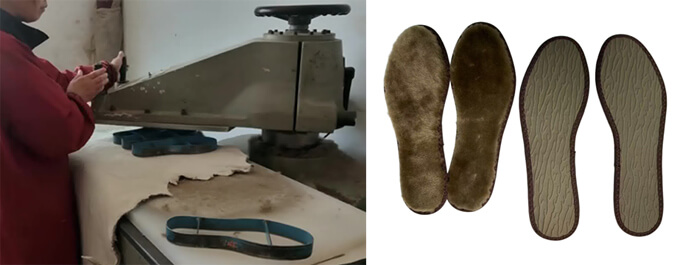
In a professional sheepskin factory in China, we focus on:
tanning process
wool fixation
leather softness balance
If tanning is poor, wool will shed.
If leather is too stiff, it cracks after wash.
This is why sheepskin manufacturer in China experience matters.
Good processing = better wash tolerance.
Cheap insoles look same at beginning.
After first wash, you see difference.
Sheepskin insoles are natural.
They are not plastic.
Clean gently.
Dry slowly.
Let them breathe.
If you do this, fuzzy insoles stay soft.
Thermal insoles stay warm.
And your feet stay happy.
If you are a brand, retailer, or importer,
and want to know more about material, processing, or care instruction for your own products,
you are welcome to contact us.👉 Contact
We are just a sheepskin factory in China,
but we know our wool very well.
Sometimes, that is enough.
1. Can sheepskin insoles be machine washed on a gentle cycle?
To be honest, we don’t recommend. Even gentle cycle still spins. Risk is high.
2. How long do sheepskin insoles take to dry naturally?
Usually 24–48 hours. Depends on weather and ventilation.
3. Do sheepskin insoles smell after washing?
If rinsed well and dried fully, no. Smell comes from moisture left inside.
4. Can your factory provide care instructions for private label products?
Yes. We often do this for brands. Washing guide is very important part of product.


