Project Year: 2026
Customer Market: New Zealand
Customer Industry: Furniture & Home Furnishings
Product: Sheepskin Bean Bag
Project Type: Product Improvement & Custom Development
Result: One Repeat Container Order with Additional Color Options
In March 2026, during the CIFF Guangzhou furniture exhibition, OTELON met a New Zealand customer with approximately 30 years of experience in the furniture industry.
The customer was interested in our sheepskin bean bags. However, they had previously sourced similar products from other suppliers and experienced several issues in actual use.
Rather than simply looking for another supplier, the customer wanted to find a manufacturer who could improve the existing product design and solve these problems.
During our discussions, three major concerns were identified.
Challenge 1: Insufficient Load-Bearing Strength
The customer reported that previous sheepskin bean bags could not adequately withstand sudden impact when heavier users sat down.
The sheepskin construction needed additional reinforcement to improve its strength and durability during everyday use.
Challenge 2: Bean Bag Filling Leakage
Another problem involved the polystyrene beads used as filling material.
In the customer's previous products, the beads could escape through the seams of the inner filling bag, creating inconvenience for both retailers and end users.
Challenge 3: Zipper Safety for Households with Children
The customer also requested a change to the hidden zipper at the bottom of the bean bag.
They wanted the zipper pull removed to make it more difficult for young children to open the inner filling compartment and spill the beads.
These were not simply cosmetic changes. They required improvements to the product's construction, stitching, and hardware.
After reviewing the customer's requirements, our team worked on improving our existing sheepskin bean bag construction.
We developed three targeted solutions.
To improve the load-bearing performance, we added an additional sheepskin reinforcement layer to the internal construction and applied a bonded reinforcing backing to the reverse side.
This modification helped strengthen the structure and improve its resistance to stress during use.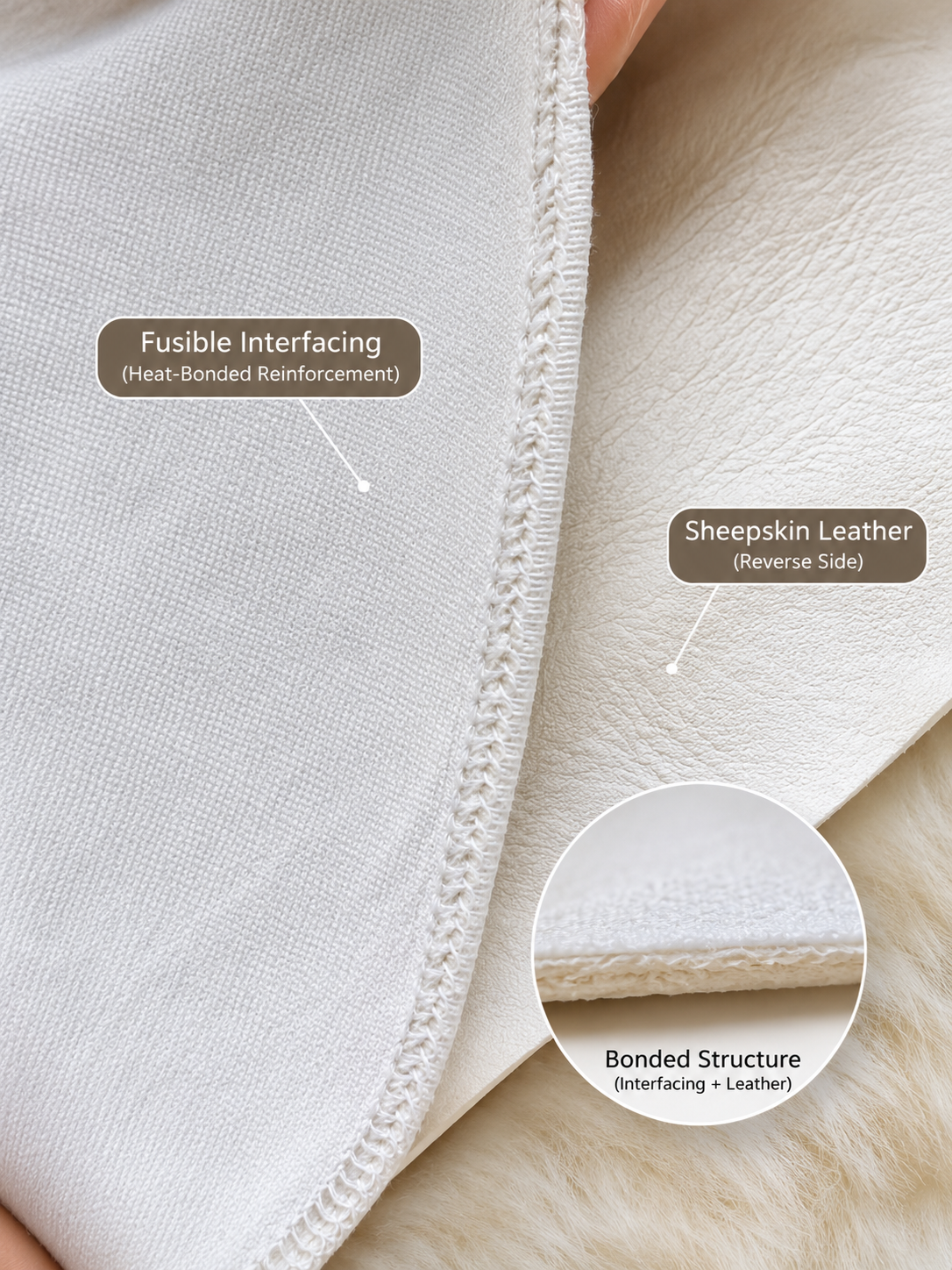
To reduce the risk of filling leakage, we improved the construction of the inner bag.
We introduced double stitching and reinforced overlocked seams to provide additional strength at the joining areas.
This improvement was designed to help keep the polystyrene beads securely contained inside the inner bag during normal use.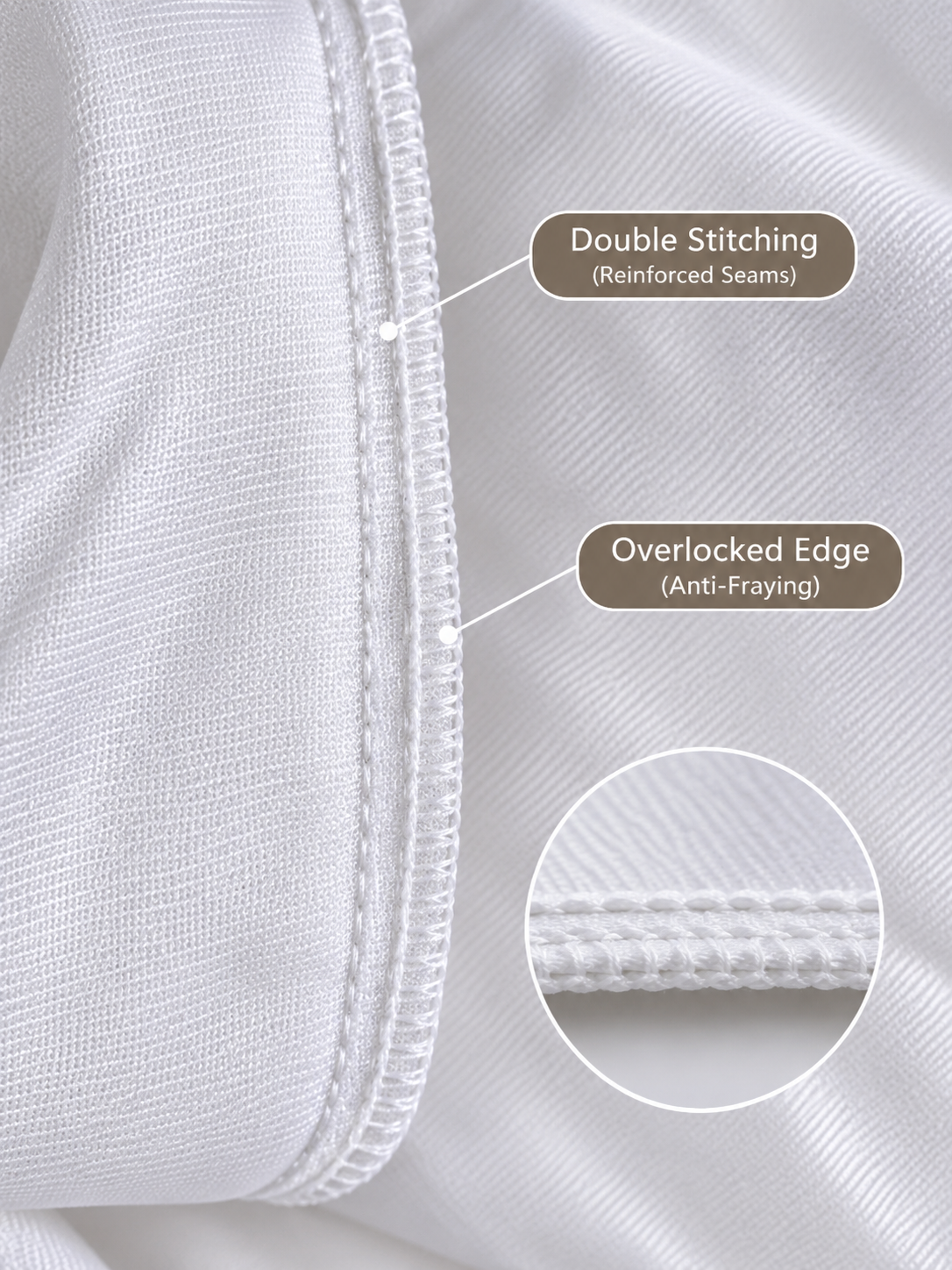
For the bottom opening, we selected a YKK self-locking zipper to improve the functionality of the closure system.
In response to the customer's requirements, we retained the zipper slider but removed the conventional pull ring.
The self-locking mechanism helps prevent unintended zipper movement, while the removal of the pull ring makes the zipper less accessible and less convenient for young children to operate.
This customized zipper solution was designed to reduce the risk of accidental opening and help keep the EPS filling beads securely inside the inner compartment.
By combining a reliable YKK zipper with a customized puller design, we addressed an important detail in the customer's product improvement requirements.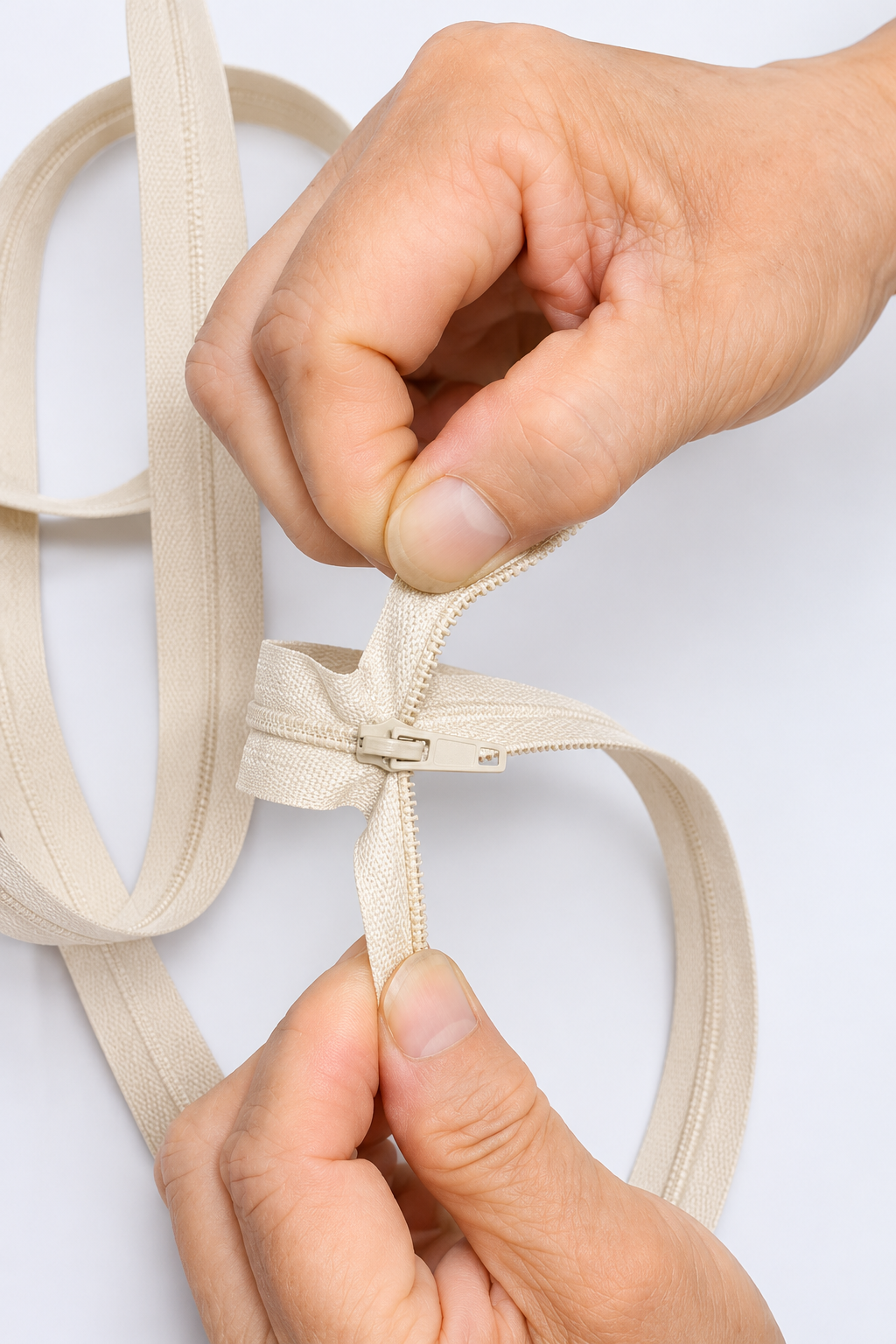
In addition to improving the outer structure and inner filling bag, we also focused on the EPS (Expanded Polystyrene) beads used inside the bean bag.
We tested five different bead-size options to identify the most suitable filling material for the product:
1–2 mm
2–4 mm
3–5 mm
4–6 mm
6–8 mm
After comparing the different options, we selected the 1–2 mm EPS beads because they offered better flowability.
This selection was an important part of the product improvement process. By carefully evaluating the filling material rather than simply using standard EPS beads, we aimed to achieve a filling solution better suited to the customer's product requirements.
At OTELON, we believe that even small details, such as the size of filling beads, can make a difference in product development.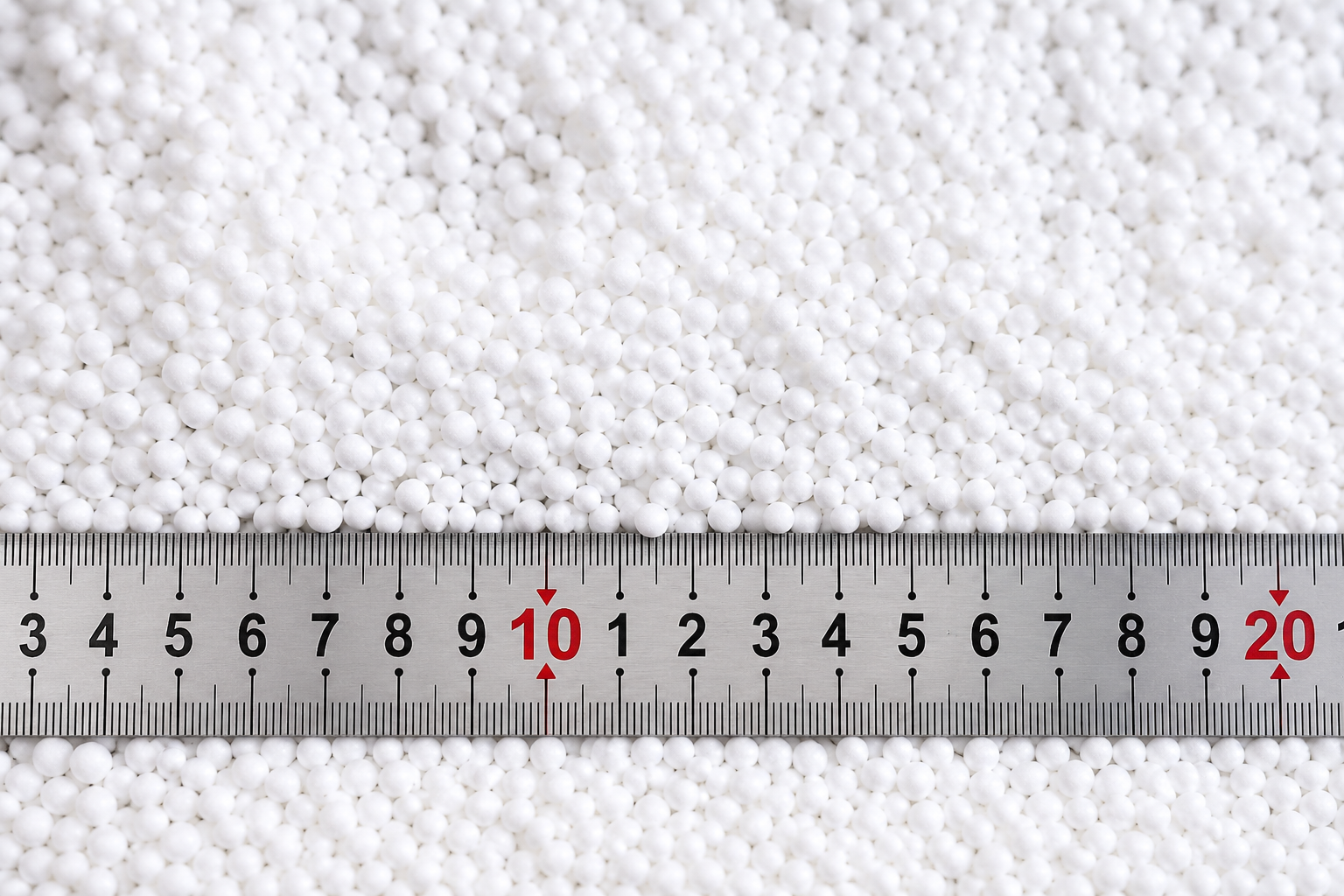
After completing the modifications, we prepared the improved sheepskin bean bag for the customer.
The project involved more than simply changing materials or accessories. It required us to reconsider how different components worked together, including the sheepskin structure, internal filling bag, stitching, and zipper design.
By addressing the customer's three concerns individually, we developed a more suitable product solution for their market.
After receiving the improved products, the customer reported that they were selling very well in their market.
More importantly, the customer placed another order for one additional container and requested new color options to expand their product selection.
This repeat order was an encouraging result for our team.
It showed that listening carefully to customer feedback and making practical product improvements can create real value for both manufacturers and their customers.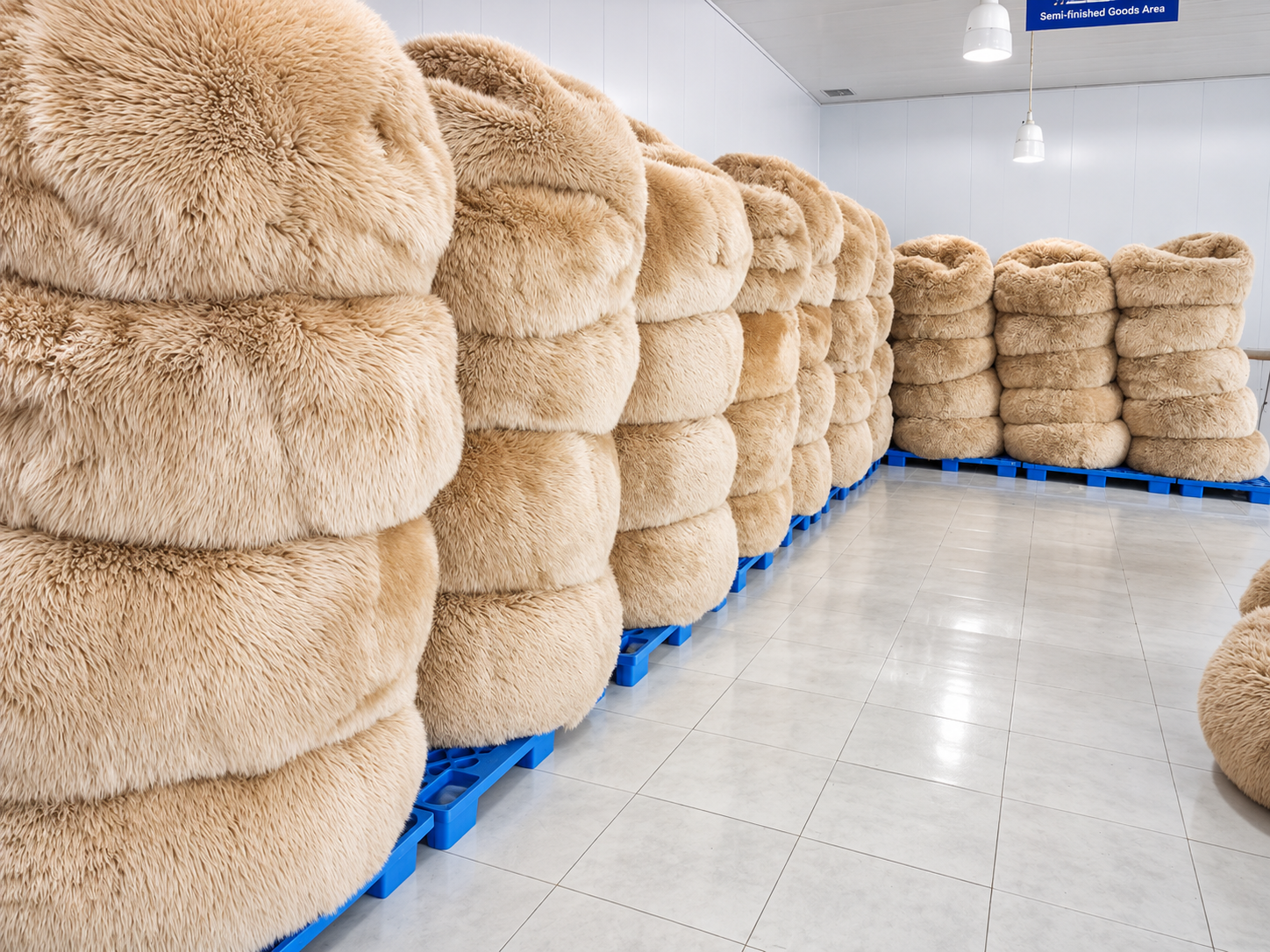
At OTELON, we believe that good product development begins with understanding the problems customers face in real markets.
This New Zealand project demonstrated our ability to:
Improve existing sheepskin product structures based on customer feedback
Develop reinforcement solutions for better load-bearing performance
Strengthen inner filling bags through improved stitching construction
Customize zipper details and product hardware
Support repeat orders and new color development
We do not simply manufacture products according to drawings. We also work with customers to identify product weaknesses and explore practical improvements.
Whether you are developing a new sheepskin bean bag collection or looking to improve an existing product, OTELON welcomes your ideas and requirements.
We work with furniture brands, wholesalers, retailers, and importers to develop customized sheepskin products for different markets.
Have an existing product that needs improvement? Share your requirements with OTELON. Let's work together to develop a better solution.


